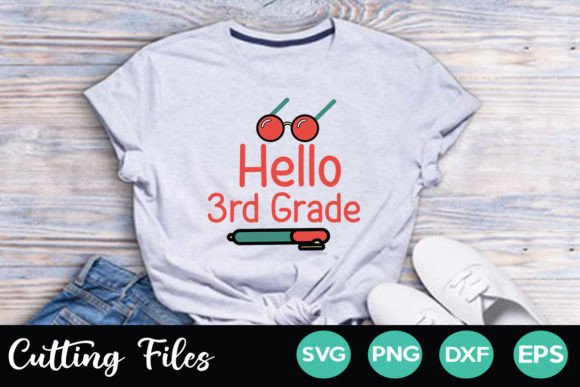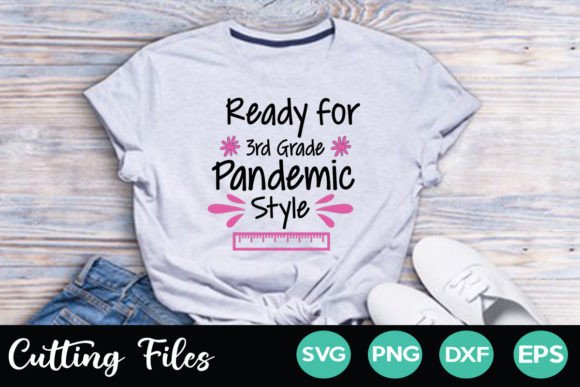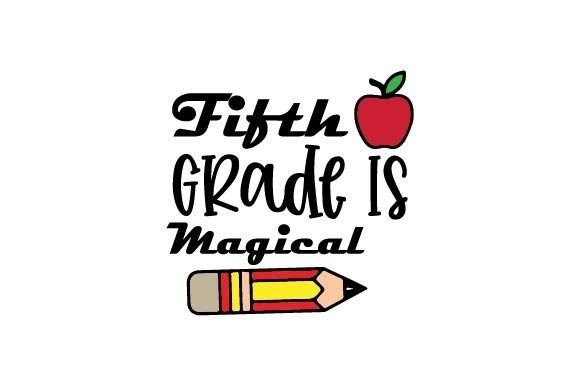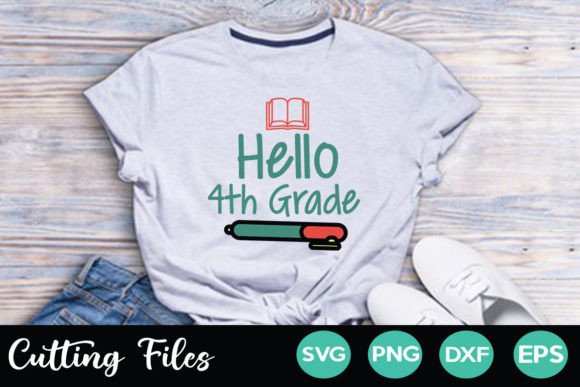
Hello 4th Grade: A Digital Back-to-School Resource for Creators and Educators
For educators, parents, and creative professionals, the start of a new school year brings both excitement and logistical challenges. One tool that has gained popularity in recent years is the Hello 4th Grade digital file package. This collection of design files offers versatility for a wide range of projects, from classroom decorations to personalized merchandise. However, understanding what this product includes and how to use it effectively can make a significant difference in your experience.
Whether you're planning a themed classroom, creating custom gifts, or launching a small business, the Hello 4th Grade digital download provides essential design elements. It's important to recognize the value of these files while also being aware of common pitfalls that users may encounter when working with digital design assets.
What You Get with Hello 4th Grade
The Hello 4th Grade package typically includes a ZIP file containing multiple file formats such as SVG, PNG, EPS, and DXF. Each file serves a different purpose and is compatible with various design software and cutting machines. For example, the SVG file works well with Cricut and Silhouette Cameo, while the EPS file is ideal for Adobe Illustrator users. The PNG file offers a transparent background, making it perfect for printables and digital projects.
These files are not just for crafting; they can be used in a variety of ways. From T-shirts and mugs to wall decals and scrapbooking, the possibilities are extensive. However, understanding the specific uses of each file type is crucial to maximizing their potential.
Common Mistakes When Working With Digital Files
One of the most frequent errors users make is not checking the compatibility of the file formats with their software or equipment. For instance, if you own a basic version of Silhouette Studio, you might assume that all DXF files will work seamlessly. In reality, some DXF files require advanced features that may not be available in standard versions. This can lead to frustration and wasted time trying to adjust the file for your needs.
Another common oversight is not verifying the resolution and quality of the files before using them. While the Hello 4th Grade files are generally high-quality, some users may attempt to scale them beyond their intended size, resulting in pixelation or loss of detail. Always check the dimensions and resolution to ensure they meet your project requirements.
How to Avoid These Issues
To avoid compatibility problems, take the time to review the system requirements for your design software or cutting machine. Many platforms provide detailed information on which file types they support. If you're unsure, reach out to the seller or community forums for guidance. This proactive approach can save you from unnecessary headaches down the line.
When it comes to file quality, always preview the files before downloading them. Some sellers include sample images or previews that can help you assess the clarity and detail of the designs. If possible, test the files with a small project first to ensure they meet your expectations.
Understanding File Types and Their Uses
Each file format in the Hello 4th Grade package has its own strengths and limitations. SVG files are vector-based, meaning they can be scaled without losing quality. This makes them ideal for cutting machines and large-format printing. PNG files, on the other hand, are raster-based and best suited for digital use with transparent backgrounds.
EPS files are often used in professional design workflows and are compatible with Adobe Illustrator and CorelDraw. They allow for more complex editing and are preferred by designers who need to make detailed adjustments. DXF files are commonly used in CNC and laser cutting applications, making them a valuable resource for makers and entrepreneurs.
Understanding the differences between these formats can help you choose the right one for your project. For example, if you're creating a printable poster, a high-resolution PNG might be the best choice. If you're planning to cut a design for a T-shirt, an SVG file would be more appropriate.
Best Practices for Using Hello 4th Grade Files
Before diving into your project, take a moment to organize your files and set clear goals. Knowing exactly what you want to create will help you select the right file type and avoid confusion. For instance, if you're designing a classroom sign, you might need a larger SVG file for cutting, while a smaller PNG could work for a digital display.
It's also helpful to keep backups of your files. Digital assets can sometimes become corrupted or lost, so having a secondary copy ensures you don't lose your progress. Additionally, consider organizing your files into folders based on project type or file format for easier access in the future.
What to Check Before Making a Decision
Before purchasing or downloading the Hello 4th Grade files, verify that the seller provides clear instructions and support. Some vendors offer tutorials or customer service to help users navigate the files. This can be especially useful if you're new to digital design or unfamiliar with certain software programs.
Additionally, read reviews from other users to get an idea of their experiences. Pay attention to comments about file quality, compatibility, and overall satisfaction. This can help you make an informed decision and avoid potential issues.
Finally, consider the cost and value of the package. While digital files are often affordable, it's important to weigh the price against the usefulness of the files for your specific needs. If you're only planning to use a few of the file types, you may want to look for more targeted options rather than a full package.