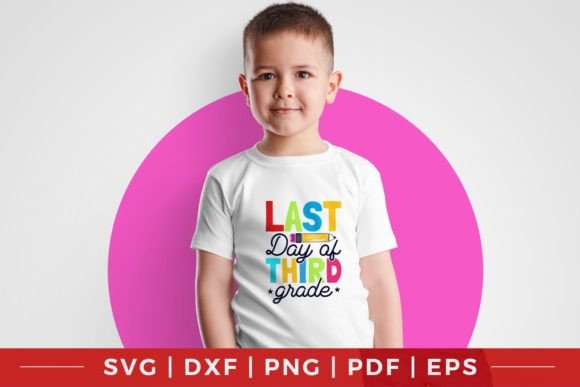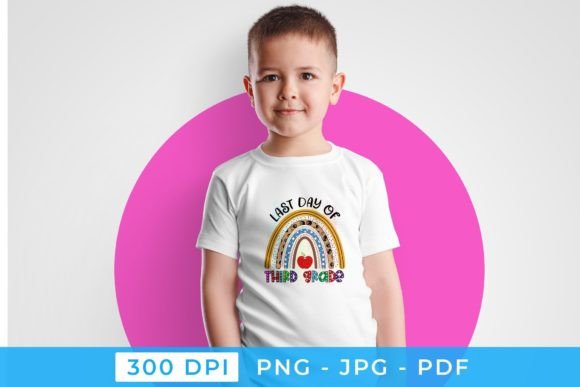
Last Day of Third Grade PNG, JPG, PDF
There’s something quietly powerful about marking a milestone—especially one as meaningful as the Last Day of Third Grade. It’s not just an ending; it’s a celebration of growth, resilience, and readiness for what comes next. That’s why this thoughtfully crafted digital design—available as high-resolution Last Day of Third Grade PNG, JPG, PDF files—has become a go-to resource for educators, parents, small business owners, and creative professionals alike. With its cheerful, age-appropriate illustration and clean layout, it’s ideal for back-to-school projects that feel personal, polished, and purposeful.
What This Design Really Offers—and What It Doesn’t
This is a 12×12 inch, 300 DPI digital download featuring a transparent background—making it exceptionally versatile for print-on-demand, sublimation, or direct-to-garment workflows. You’ll receive three file formats: PNG (ideal for layered editing), JPG (great for quick mockups or social media), and PDF (perfect for professional printing or framing). The design is intentionally optimized for real-world use—not for vinyl cutting or craft machines—so it won’t include SVG or DXF files. That distinction matters more than many buyers realize.
One common oversight? Assuming “high resolution” means universal compatibility. A 300 DPI image at 12×12 inches works beautifully on mugs, tote bags, backpacks, and t-shirts—but only if your printer or production method supports raster-based files at that size and resolution. If you’re planning to scale it down significantly for stickers or keychains, the detail may soften. If you’re scaling up beyond 12×12, pixelation can appear unless you’re using vector-based tools (which this set doesn’t provide).
Mistake #1: Using It for Vinyl Without Checking Compatibility
Some creators assume any school-themed graphic is ready for heat-transfer vinyl or Cricut-style cutting. Not this one. Since this Last Day of Third Grade PNG, JPG, PDF set contains no vector paths or cut lines, attempting to convert it for vinyl often leads to jagged edges, lost transparency, or hours spent manually tracing in Illustrator or Inkscape. The result? A time-consuming workaround that compromises quality and consistency.
Better approach: Use it where it shines—direct print, sublimation, or screen printing. For vinyl projects, pair it with a complementary border or frame design (in vector format) instead of forcing conversion. Or choose a different asset altogether if your workflow relies heavily on cutting machines.
Mistake #2: Overlooking File Purpose Before Downloading
Another frequent misstep is downloading without verifying how each format will serve your end goal. For example, JPGs don’t support transparency—so if you’re printing on colored fabric or layered backgrounds, the white edges around the graphic will show. PNG solves that, but only if your software preserves the alpha channel (some basic editors flatten it automatically). Meanwhile, the PDF is excellent for crisp output on home printers or commercial presses—but not ideal for uploading to certain POD platforms that require flattened raster files.
Before downloading, ask yourself: Where will this live? On a teacher appreciation mug? PNG is safest. For a classroom poster? PDF gives predictable color and sharpness. For Instagram stories or email newsletters? A compressed JPG version (created from the original PNG) ensures fast loading without visible loss.
Mistake #3: Sharing or Reselling the Files
This is a digital download—not a license to redistribute. Because the design includes proprietary artwork and intentional stylistic choices, sharing the files with teammates, students, or clients—even with good intentions—violates standard usage terms. Doing so risks takedowns, account restrictions on marketplaces like Etsy or Redbubble, and undermines fair compensation for the creator.
Instead, purchase additional licenses if multiple people need access—or guide others to the original source. If you're a teacher creating class materials, consider embedding the design into a non-editable PDF handout rather than attaching the raw files. Small businesses offering custom gifts can confidently use it across client orders—as long as each sale stems from your own licensed copy.
What to Check Before You Use It
- Color mode: These files are RGB—perfect for screens and most sublimation printers. If sending to a traditional offset printer, confirm whether they prefer CMYK. Minor shifts in yellows or skin tones may occur without conversion.
- Intended audience: The illustration celebrates third grade specifically—not general “end of school year” themes. Using it for fifth graders or preschoolers may confuse messaging or reduce emotional resonance.
- Usage context: It’s joyful and lighthearted, not academic or formal. Avoid pairing it with stern fonts or corporate branding unless you’re intentionally blending contrasts for creative effect.
- Physical delivery: Remember—it’s digital only. No physical item ships. If you expected a printed poster or sticker sheet, you’ll need to handle production locally or through a print partner.
Real-World Uses That Work Well
Teachers love printing the Last Day of Third Grade PNG, JPG, PDF onto certificates, bookmarks, or end-of-year memory cards—especially when paired with handwritten notes. Small batch entrepreneurs successfully apply it to ceramic mugs via sublimation, creating heartfelt gifts for student families. Bloggers and education influencers use the transparent PNG to overlay on photos of graduation caps or backpacks for authentic social content. And because it’s sized at 12×12 inches, it scales cleanly down to 4×4 for enamel pins or up to 24×24 for framed classroom art—just keep your output method in mind.
A Final Note on Value and Intent
This isn’t just another clipart download. It’s a carefully balanced blend of nostalgia, clarity, and practicality—designed to help adults celebrate children’s achievements without overcomplicating the process. When used as intended—with attention to file type, application method, and ethical use—you’ll get consistent, professional-looking results every time. Skip the guesswork, avoid the rework, and focus on what matters most: honoring that meaningful step forward.