ABC Handwriting Tracing Book A–Z
If you're building a KDP business—or expanding an existing one—the ABC Handwriting Tracing Book A–Z isn’t just another activity workbook. It’s a purpose-built, production-ready digital asset designed to solve real problems: low-margin listings, time-intensive formatting, inconsistent buyer engagement, and the challenge of standing out in a saturated kids’ activity niche.
Why This Workbook Fits Real KDP Workflows—Not Just Theory
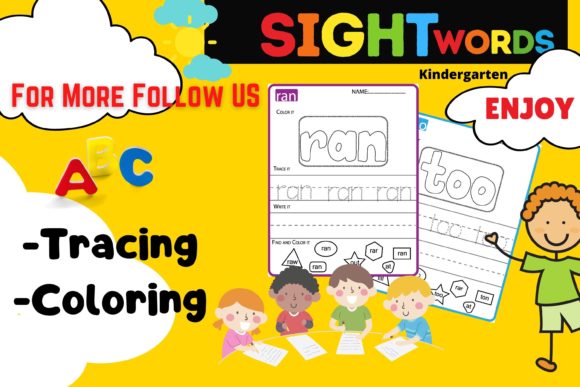
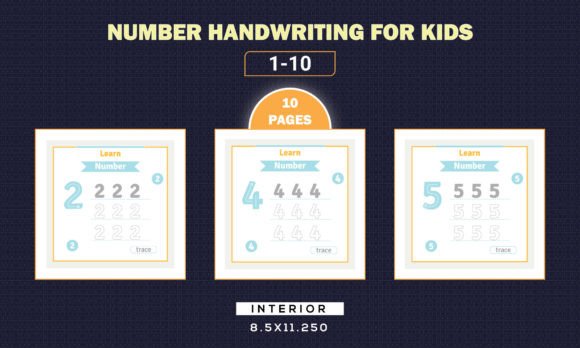
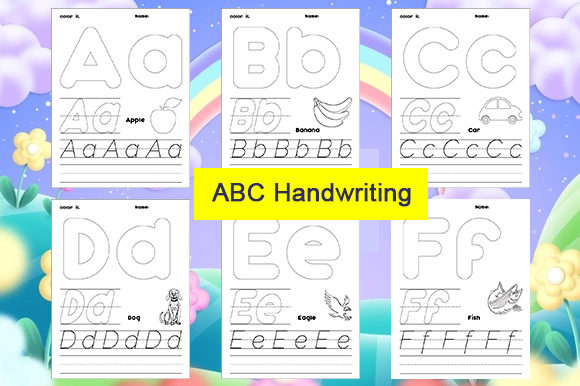
This isn’t a generic tracing PDF slapped together with clip art. The ABC Handwriting Tracing Book A–Z ships as two cleanly separated, high-fidelity digital assets: a 26-page printable PDF optimized for letter formation practice, and 26 individual HQ PNG coloring pages—each sized precisely to 8.5 × 11 inches. Both formats are pre-tested on Amazon’s KDP platform: no cropping warnings, no bleed-line surprises, no rejected uploads. That means less time troubleshooting file specs and more time scaling your catalog.
For creators managing multiple titles, that reliability compounds. One creator reported cutting pre-launch prep time by 65% when switching from self-designed tracing sheets (which required manual alignment checks and DPI adjustments) to this ready-to-upload set. The consistency across all 26 letters—uniform stroke width, balanced spacing, clear starting dots, and age-appropriate lowercase/uppercase pairings—also reduces post-publication customer service requests about “confusing layouts” or “letters too small to trace.”
More Than Tracing: A Flexible Tool for Multiple Learning Goals
The ABC Handwriting Tracing Book A–Z supports layered educational use—not just alphabet recognition. Each page integrates fine motor development cues: directional arrows, dotted guides, and generous white space for grip practice. That makes it equally effective for pen control work with toddlers, dot marker reinforcement in preschool centers, and early Dolch sight word scaffolding in Pre-K classrooms.
Teachers using it in hybrid settings report that the black-and-white format works well for both printed handouts and digital annotation (via tablets or interactive whiteboards). One homeschooling parent shared how she overlays the PNG files into Canva, adds custom phonics prompts, and re-exports them as personalized weekly practice decks—without altering the original letter structure. That flexibility stems from clean vector-aligned outlines and zero embedded fonts or watermarks.
Who Benefits Most—and Why Timing Matters
Three groups see immediate, measurable returns:
- KDP entrepreneurs launching their first kids’ activity line: You get a proven, bestseller-aligned format (alphabet tracing + coloring combo) without needing illustration skills or curriculum design experience. The 26-PNG set also doubles as standalone coloring book content—letting you create two distinct Amazon listings (e.g., “ABC Tracing Workbook” and “Festive Alphabet Coloring Pages”) from one purchase.
- Educators and therapists building supplemental resources: The large 8.5 × 11-inch size ensures clarity for children with visual processing needs or those using adaptive grips. Festive but not distracting designs—think simple stars, gentle waves, or soft cloud borders—keep focus on letter shape, not decorative overload.
- Content repurposers (bloggers, newsletter writers, course creators): The PNGs integrate smoothly into printable lesson kits, email opt-ins, or paid mini-courses on early literacy. Because each letter is its own file, you can sequence them by phoneme group (e.g., /b/, /p/, /m/) rather than alphabetical order—supporting evidence-based instruction models like Orton-Gillingham.
Practical Considerations: When to Use It—and When to Look Elsewhere
This workbook excels where clarity, consistency, and production speed matter most. But it’s not a substitute for highly specialized tools. For example:
- If your audience needs multilingual support (e.g., Spanish bilingual tracing), this set focuses solely on English letter forms and conventions.
- If you require editable text layers (for adding names, school logos, or translations), the PDF is flattened—ideal for printing but not for live text customization.
- If your goal is advanced handwriting analysis (e.g., slant measurement, pressure tracking), this supports foundational practice—not diagnostic assessment.
Those aren’t limitations—they’re intentional boundaries. The ABC Handwriting Tracing Book A–Z targets the highest-leverage gap in the early learning market: dependable, classroom-tested tracing material that converts well on Amazon *and* holds up under repeated use. It avoids over-engineering so it stays accessible to beginners while delivering professional-grade output.
How to Maximize Its Value Beyond the First Upload
Smart creators treat this as a foundation—not a finish line. One publisher used the 26 PNGs to build a companion YouTube series: “Letter of the Week,” where each video walks through proper pencil grip, letter directionality, and a quick phonics tie-in. The same files became printable flashcards (cropped to 4 × 6 inches), a free lead magnet, and even SVG cut files for Cricut users—expanding reach across platforms without redesigning core assets.
Another educator licensed the tracing pages to a local preschool co-op, adding her own facilitation notes and discussion prompts—creating a premium workshop package. Because the files are commercial-use friendly and fully editable in standard design tools (no proprietary software required), these adaptations happened in under two hours per letter.
A Note on Long-Term Relevance
Handwriting instruction remains part of most state early learning standards—even amid rising screen time. Research continues to affirm that tactile letter formation strengthens neural pathways for reading fluency. That means demand for high-quality, print-ready tracing resources isn’t fading; it’s shifting toward smarter, more versatile execution. The ABC Handwriting Tracing Book A–Z meets that shift head-on: no fluff, no bloat, just 26 letters, built right.
It won’t replace your teaching judgment or your marketing strategy—but it removes friction where friction slows growth. And in a marketplace where speed, reliability, and learner-centered design compound over time, that’s rarely trivial.